

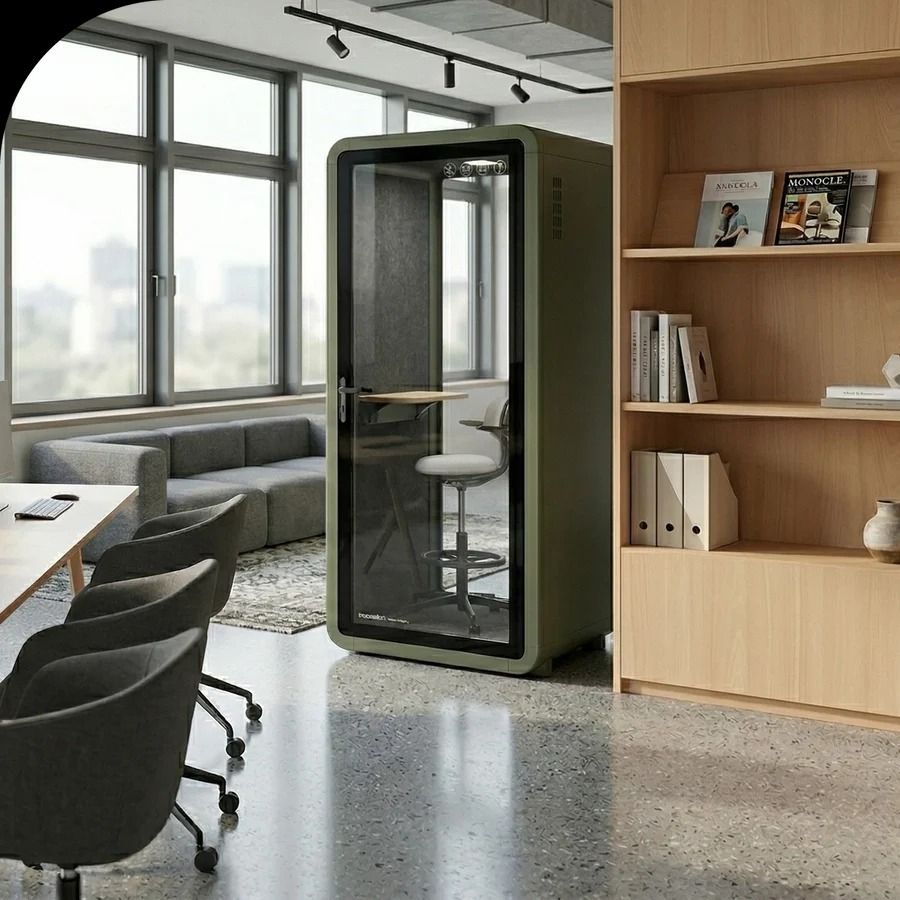
Expert Guide to Selecting Meeting Room Pods for Teams
Why pods change how teams collaborate
When meetings are squeezed into open office areas, sound leakage and distractions quickly erode productivity. This helps meeting room pods teams coordinate more efficiently, because conversations stay private while participants can still feel connected through shared workflows. The result is fewer interruptions and more confidence during presentations, interviews, and client calls.
Many organizations also discover that physical comfort influences meeting quality. A well-designed soundproof phone booth office solution supports better listening and calmer communication, especially for fast check-ins or detailed planning discussions. Instead of repeating points or rephrasing because of poor audio clarity, teams can focus on outcomes. With the right layout, pods also support flexible scheduling, allowing staff to reserve small spaces for concentrated collaboration.
Expert recommendations for choosing the right size and layout
Start by matching pod capacity to real meeting behavior rather than ideal scenarios. For two-person conversations like decision making or quick problem solving, a compact two-person unit often outperforms a larger room that goes unused. For group soundproof phone booth office work, prioritize pods with enough space for comfortable seating, note-taking, and shared screens. If the pod is too small, conversations become constrained and people rush, which undermines the purpose of focused discussion.
Next, consider how the pod will fit into your office circulation. Place pods where foot traffic is predictable, and ensure there is a clear approach path from common areas like reception or team desks. Measure door clearance, wall setbacks, and the space required for chairs to pull in smoothly. For best results, select a location where background noise levels are manageable, because even strong sound dampening performs better when the surrounding environment isn’t excessively loud.
Acoustics, build quality, and real-world comfort
The core performance of meeting spaces depends on acoustic treatment, materials, and construction tightness. Look for designs that reduce sound transfer through walls, doors, and seams, because these are typical weak points. A quality acoustic shell limits both voice spill and outside noise intrusion, helping participants hear each other clearly even with moderate office activity. Strong insulation also improves consistency, so meetings don’t feel “quiet until someone speaks,” which can be distracting.
Comfort matters as much as sound. Choose pods with thoughtful interior dimensions, adequate ventilation, and lighting that supports video calls and reading. If your team uses laptops, prioritize cable routing and convenient power placement so the space stays tidy and functional. Ergonomics like seating position and desk height influence how long people can meet without fatigue, especially for brainstorming sessions or recruitment interviews.
Conclusion
Prioritize capacity that matches actual usage, placement that supports easy movement, and acoustics that handle both incoming and outgoing sound. When these factors align, teams spend less time managing distractions and more time making decisions. That’s why many businesses explore purpose-built solutions from soundboxstore, where office pods are designed to enhance private discussions and focused conversations. Before committing, test assumptions with a simple pilot plan or consult with stakeholders who host the most frequent meetings. Gather feedback on audio clarity, perceived privacy, and how often people choose the pod for different meeting types. With the right expert guidance and a product that balances sound control and professional design, your office can gain a reliable “quiet zone” that improves communication across departments. soundboxstore.com offers innovative options for building flexible meeting spaces that look great and perform even better.