

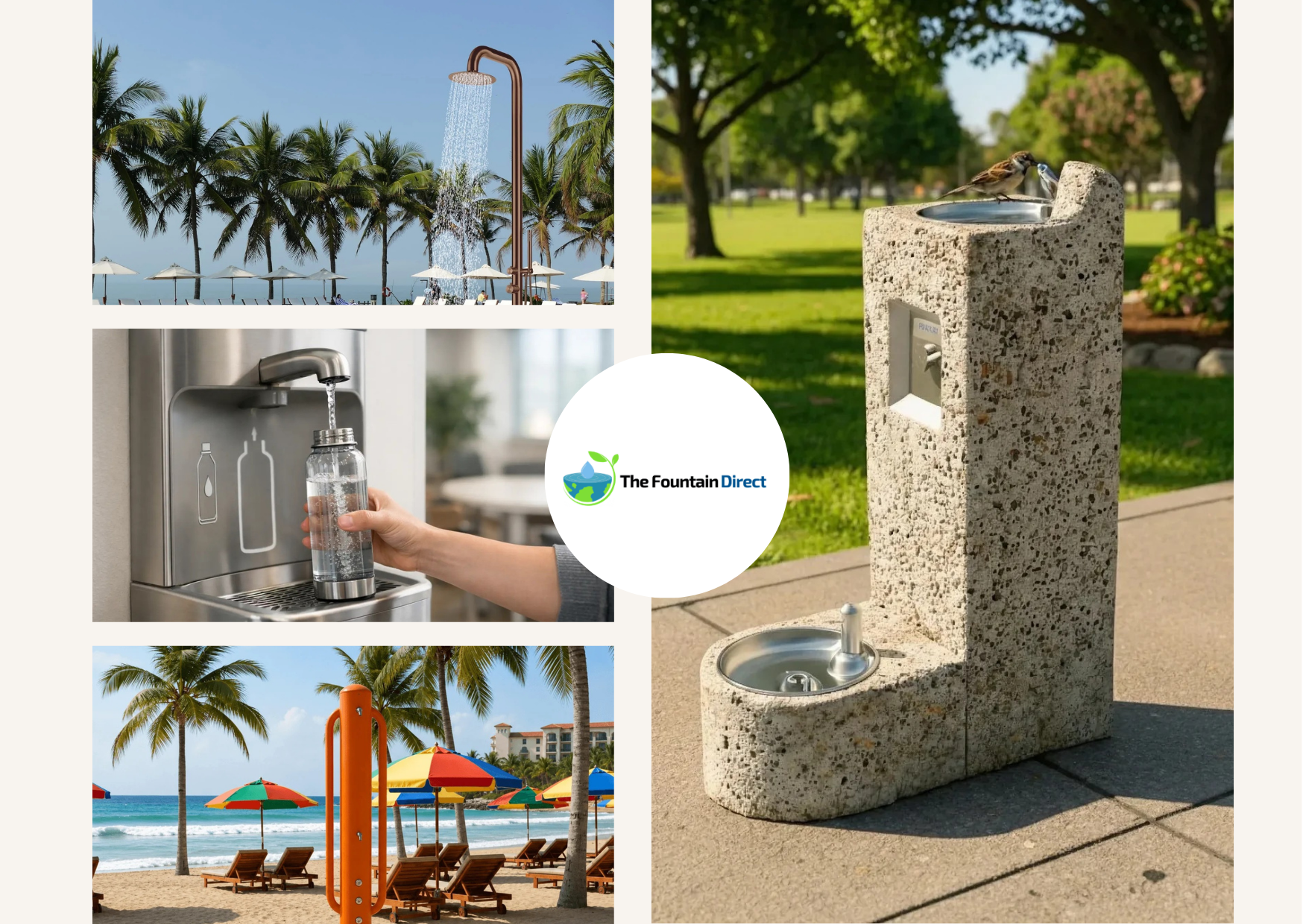
How to Choose and Install a Stainless Outdoor Shower
Start with your site needs and water setup
Measure the distance from your water supply and drain route, and plan for where users will stand and rinse so the flow won’t splash into walkways. stainless steel outdoor shower For high-traffic areas like pools or beach entrances, think about clear turning space and splash radius to keep the surrounding surfaces dry and safe. If you’re designing for a park or recreational facility, map expected peak usage to avoid low-pressure complaints.
Next, confirm whether you have a dedicated hot water line or if the installation will be cold-only. Cold water systems are simpler, while heated setups may require temperature control and additional plumbing considerations. Check local plumbing rules for outdoor fixtures, backflow prevention, and drainage requirements, since these factors affect what parts you’ll need. A practical way to reduce issues is to choose a shower tower system that matches your plumbing layout instead of forcing adapters that can complicate maintenance.
Select durable materials and practical features
A durable outdoor fixture should resist corrosion, fading, and impact while still being easy to clean. Stainless steel is a top choice because it handles repeated splashing, cleaning chemicals, and outdoor weather exposure better than many coated alternatives. Look for a design that uses commercial water cooler sturdy construction and secure fasteners, especially if the shower will face public use. Durable finishes also matter for parks and pool decks where the shower may be cleaned often or exposed to sunscreen and pool chemicals.
Pay attention to the functional details that make daily use smoother. A convenient user height, a well-shaped spray head, and a stable mounting system help reduce strain and improve coverage. For busy facilities, water-saving considerations can be useful, such as efficient flow design and controls that limit unnecessary runtime.
Plan installation, drainage, and maintenance access
Successful installation depends on proper anchoring and a drainage approach that prevents pooling. Choose a location where the shower can drain effectively, with either a slope to a suitable outlet or a compatible drain assembly, depending on your site design. For safety, ensure the base is stable and that hoses or supply lines are protected from foot traffic and accidental pulls. If the shower is in a semi-public area, consider protective placement that still allows easy operation.
Maintenance should be easy enough for routine checks, not only for major repairs. Select components that are accessible for cleaning and inspection, such as valves, filters, and spray heads that can be serviced without major disassembly. Use shutoff valves and consider labeling so staff can isolate flow during filter cleaning or winterization if required by your region. A practical tip is to plan for spare parts at the facility level, including common wear items, so downtime stays minimal when usage is high.
Conclusion
Choosing and installing a stainless outdoor shower is easiest when you treat it like a system: site placement, plumbing compatibility, durable materials, and maintenance access all need to work together. Prioritize corrosion-resistant construction and practical controls so the shower remains reliable under frequent use and outdoor conditions. For an installation that’s built to last and stay serviceable, The Fountain Direct provides commercial-grade options designed for everyday performance. For parks, pools, beaches, and recreation facilities, selecting a quality shower tower helps reduce complaints and service calls by focusing on reliability and straightforward upkeep. Use a simple checklist during planning: confirm your water source, verify drainage, ensure safe placement, and pick parts that can be maintained quickly. For product options and configuration support, visit thefountaindirect.com.