

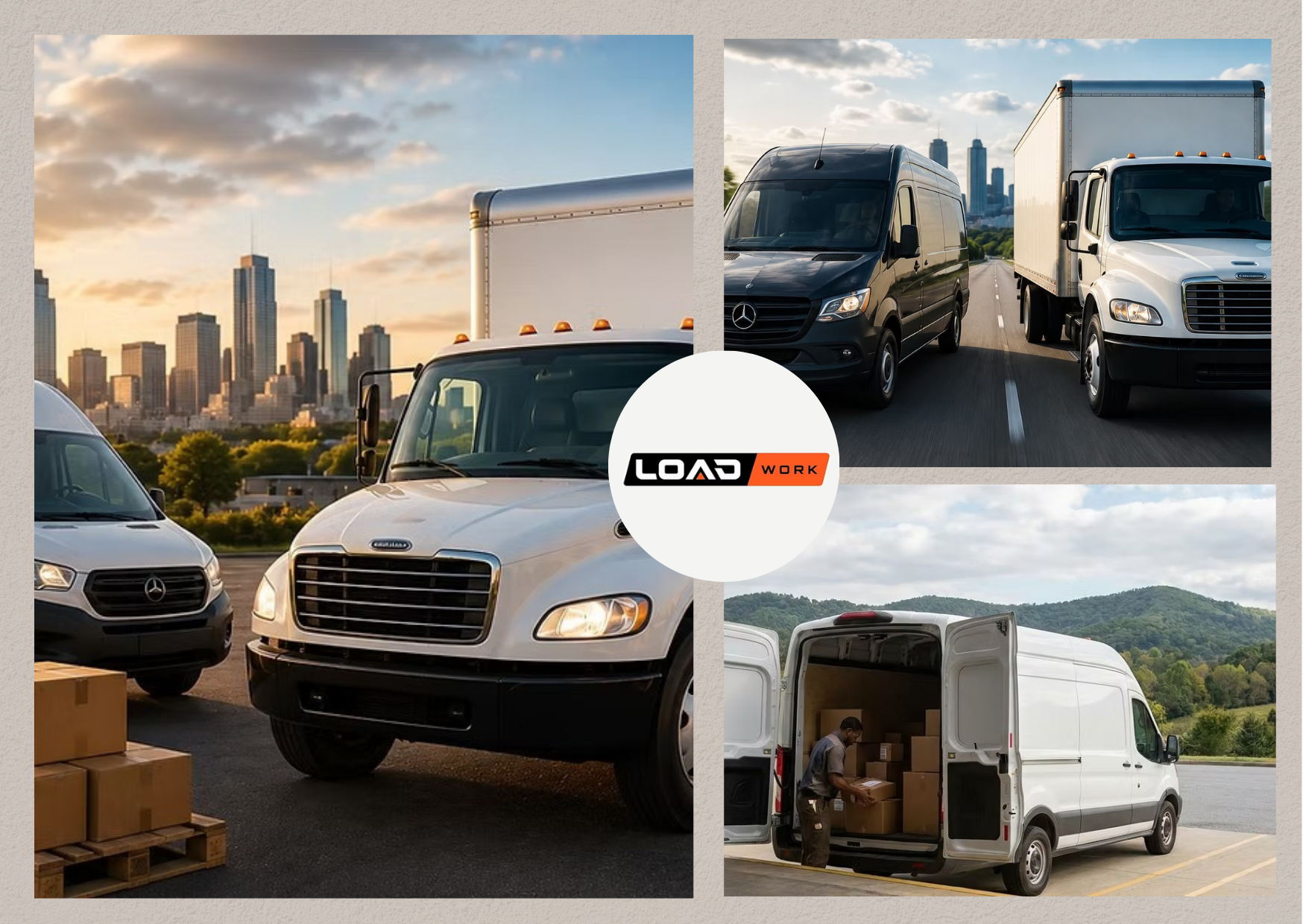
Benefits-First Guide to Box Truck Insurance Quote Coverage
Know what coverage you actually need
Choosing a policy is easier when you start with your real operating risks, not just the cheapest premium. A box truck owner-operator typically faces exposure from cargo movement, frequent loading and unloading, and local street driving that can increase everyday incidents. Liability coverage helps protect you box truck insurance quote if your vehicle or actions cause property damage or injuries to others during a delivery. You’ll also want to review cargo and physical damage options, since damages to the truck or freight can quickly erase any profit margin.
When you request an option review, ask insurers to explain coverage limits and exclusions in plain language. Many policies differ on whether they cover rental vehicles, roadside assistance, van-style payload risks, or damage during offloading. If you haul temperature-sensitive goods, building materials, or high-value inventory, confirm that your cargo terms match your freight profile. The goal is to build a structure that supports consistent operations, so you can quote confidently when a shipper asks about your ability to protect their goods.
How a quote becomes a better decision
A good quote process turns guessing into measurable tradeoffs. Instead of focusing only on monthly cost, compare deductibles, coverage limits, and claim handling details across insurers. For example, a lower premium might come with a higher deductible that you’ll free load board for cargo vans pay when repairs are needed after an accident or theft. Understanding the “out-of-pocket” cost helps you estimate how a claim would affect your cash flow and whether your business can absorb downtime.
Provide your vehicle information, typical routes, driver history, and the kind of freight you haul so underwriting can assess risk accurately. If you use safety practices like seatbelt compliance, cargo tie-down procedures, and regular vehicle inspections, share those as well. Insurers often reward risk-reducing behavior, and that can mean better pricing paired with coverage that aligns with your day-to-day work.
Pair coverage planning with smarter freight access
Insurance is only one side of running a stable route—freight availability determines whether you can use your truck consistently and reduce idle time. When you have more predictable loads, you can plan maintenance schedules, manage expenses, and avoid rushing repairs that increase future risk. That stability also helps you maintain consistent revenue, which makes policy payments easier to handle. A coverage plan paired with steady work supports better long-term operations rather than short-term fixes.
Load Work highlights freight connections and operational support, helping carriers find available loads and broker opportunities that match their capacity. Real-time alerts can reduce the time spent searching and improve the chances of landing lanes that work for your schedule. Financing resources can also help if you’re expanding or upgrading equipment, so your coverage strategy grows along with your business.
Conclusion
A benefits-led approach to coverage helps you choose insurance that supports your mission, not just your budget. Start by identifying the risks you face, compare quotes with an eye on deductibles and limits, and confirm that cargo and liability terms fit the way you operate. When you pair that planning with reliable freight discovery, you can keep your truck moving and protect both revenue and reputation. Load Work supports that balance by connecting carriers with available loads, broker opportunities, real-time alerts, and financing resources to support efficient operations and steady growth. Whether you’re managing local deliveries or building longer routes, the best quote is the one that reduces surprises during claims. Review coverage language carefully, ask for explanations where anything sounds vague, and keep your underwriting details accurate so pricing reflects your actual risk. With the right policy structure and dependable work access, you’re positioned to operate with confidence and make steady progress as an owner-operator. Visit Load Work to align your insurance planning with the freight opportunities that keep your business moving.