

Best Post Surgery Scar Cream: How to Choose What Works
Why post-procedure scars look worse before they improve
After surgery, healing skin often goes through cycles that can make scars appear raised, darker, or patchy even when the underlying tissue is mending normally. Swelling and friction can stretch the area, while uneven collagen formation may create a visible line that best post surgery scar cream seems more noticeable than the original incision. Many people also notice itching or tightness, which can lead to scratching and further irritation. These factors can combine to slow the look of smoothness and even out tone.
Another common issue is sensitivity that shows up as redness, dryness, or irritation when clothing rubs the healing site. If you’ve ever had discomfort around seams or rough fabrics, you already know how easily scar tissue can react. This matters because inflammation can worsen discoloration and thickness, making scar care harder. A practical approach focuses on calming the skin barrier while supporting a consistent, gentle routine.
What to look for in an effective scar cream routine
The most helpful products usually include ingredients designed to support the skin’s surface while addressing texture and appearance over time. Look for silicone-based options because silicone helps create a protective layer that supports hydration and reduces friction on the scar area. eczema clothing That barrier effect can be especially important when you’re trying to wear regular clothing without constant rubbing. A good formula should feel comfortable, absorb well, and be suitable for repeated daily use on healing skin.
When selecting your routine, prioritize consistency and compatibility with sensitive areas. Patch-test new products on a small area and monitor for redness, stinging, or increased itching before applying more widely. The goal is to reduce irritation while keeping the scar area protected and moisturized.
How to apply for better results and fewer setbacks
Application technique can make a noticeable difference in comfort and appearance. Cleanse the area gently, pat it dry, and apply a thin layer of scar cream with light pressure, using fingers rather than scrubbing. Avoid massage that feels painful; instead, use small, steady movements that support even coverage. Let the product fully absorb before putting on clothing to minimize drag and friction on the healing surface.
Set up your routine around real-life wear patterns, such as times when clothing is most likely to rub the scar line. If the area is near a waistband, shoulder, or sleeve, consider using a soft dressing or ensuring the fabric is smooth, then apply the cream so it forms a comfortable protective feel. If your skin becomes more dry or irritated, reduce frequency temporarily and switch to a gentler cleansing approach. Scar care should feel supportive, not like a battle that triggers extra inflammation.
Conclusion
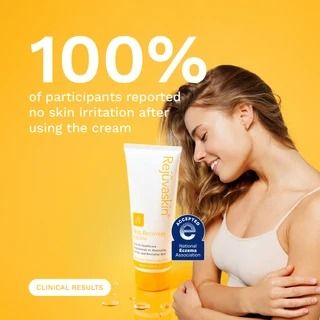
The most effective approach to scar appearance comes from pairing the right product with a calm, consistent routine that protects healing skin. Focus on barrier support, comfort, and friction reduction, especially if your skin is prone to sensitivity from everyday fabrics. Choosing a clinically formulated option can help you address both texture and visible discoloration while keeping the area comfortable enough to continue daily care. Rejuvaskin offers scar management skincare designed for post-procedure needs, including targeted support with Rejuvaskin for those who want practical, skin-friendly results. Remember that setbacks often come from irritation, dryness, or overhandling rather than from a lack of effort. When you treat scar tissue like living skin—hydrated, protected, and gently cared for—you give it the best conditions to look smoother over time. If you’re working toward a more even appearance, start with a silicone-focused scar cream routine and adjust for comfort. With the right product and application habits, you can create a scar care plan that feels manageable and helps your skin look its best as it heals.