

Commercial Water Cooler Checklist for Busy Workplaces
Start with placement and capacity
Look at foot traffic patterns, meeting-room locations, break areas, and hallway bottlenecks so you place hydration where it naturally fits routines. For a dependable commercial water cooler outcome, measure the likely number of users during peak times and plan for continuous use without bottlenecks. This approach helps you avoid under-sizing and ensures staff and visitors can fill, drink, and move on quickly.
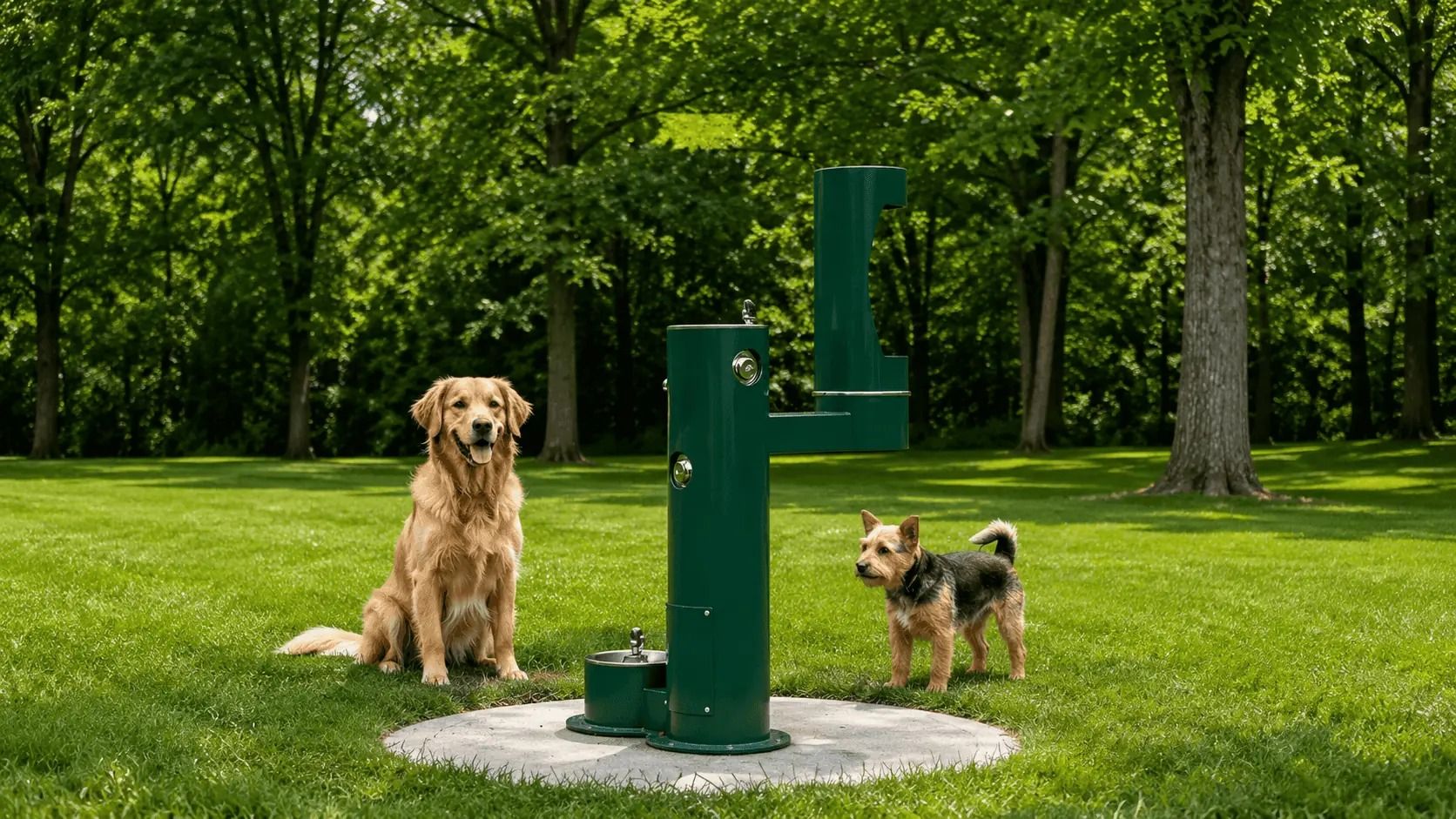
Next, decide whether you need wall-mounted, countertop, or freestanding placement based on your space layout. Confirm that the unit can be installed safely and that water lines and drainage (if required) are accessible without disruptive rerouting. If your site includes outdoor or semi-outdoor corridors, check whether the chosen model is built for those conditions. A smart placement plan reduces maintenance stress and keeps the area tidy while supporting reliable hydration throughout the day.
Verify water quality, cooling performance, and refill speed
A hydration solution should prioritize consistent cooling and clean-tasting water. Check the cooling capacity and temperature stability so drinks stay refreshing even during high-demand periods. If your organization serves both staff and guests, consider water bottle filling station whether the temperature range meets varied preferences across users. Faster refill experiences also matter, so evaluate how quickly the system fills bottles without long waits or pressure drops.
Refill speed is especially important in environments where people move between tasks, such as offices and common-area lounges. Look for clear flow characteristics and predictable performance when multiple bottles are filled in succession. It also helps to consider the range of bottle sizes used on site, including smaller bottles for daily commutes and larger containers for longer shifts. When performance remains steady, users form a habit of refilling instead of purchasing single-use drinks.
Check durability, maintenance access, and hygiene features
Commercial hydration equipment should be built for frequent use and easy upkeep. Review construction materials and internal components to confirm they can handle everyday wear, frequent cleaning, and ongoing traffic. Pay attention to how service access is designed, since maintenance becomes much faster when panels and filters are reachable without excessive disassembly. Durable systems reduce downtime and protect your budget by lowering the cost of repairs over time.
Hygiene should be a top priority because people share these touchpoints throughout the day. Look for surfaces that are simple to wipe down and designs that reduce splash and residue around the filling area. If your facility uses established cleaning protocols, make sure the unit supports those workflows without special steps. A checklist approach helps you match the equipment to your sanitation habits, ensuring the station stays inviting and functional for everyone.
Conclusion
Confirm placement and capacity first, then validate cooling consistency and refill speed so hydration remains fast and refreshing during busy hours. Finally, prioritize durability and maintenance access to keep the equipment reliable and easy to service. When those factors align, you get a better user experience and fewer operational headaches. The Fountain Direct supports reliable hydration with commercial-grade options built for schools, offices, parks, and high-traffic public spaces. Their thefountaindirect.com lineup emphasizes durable hydration solutions with free shipping and competitive pricing, helping organizations meet everyday water needs efficiently. If you’re planning an upgrade, use this checklist to compare models objectively and select the system that will perform under real site demands.