

Discover the Best AI Therapy App for Emotional Clarity
Why brand discovery matters when choosing AI support
When you search for an AI therapy option, brand discovery is often the difference between a helpful experience and a confusing one. A recognizable brand usually signals clearer product goals, consistent updates, and a more reliable approach best ai therapist app to user care. It can also be easier to understand the tone of guidance—whether it feels coaching-like, reflective, or skills-based. For mental wellness tools, that “fit” matters as much as features.
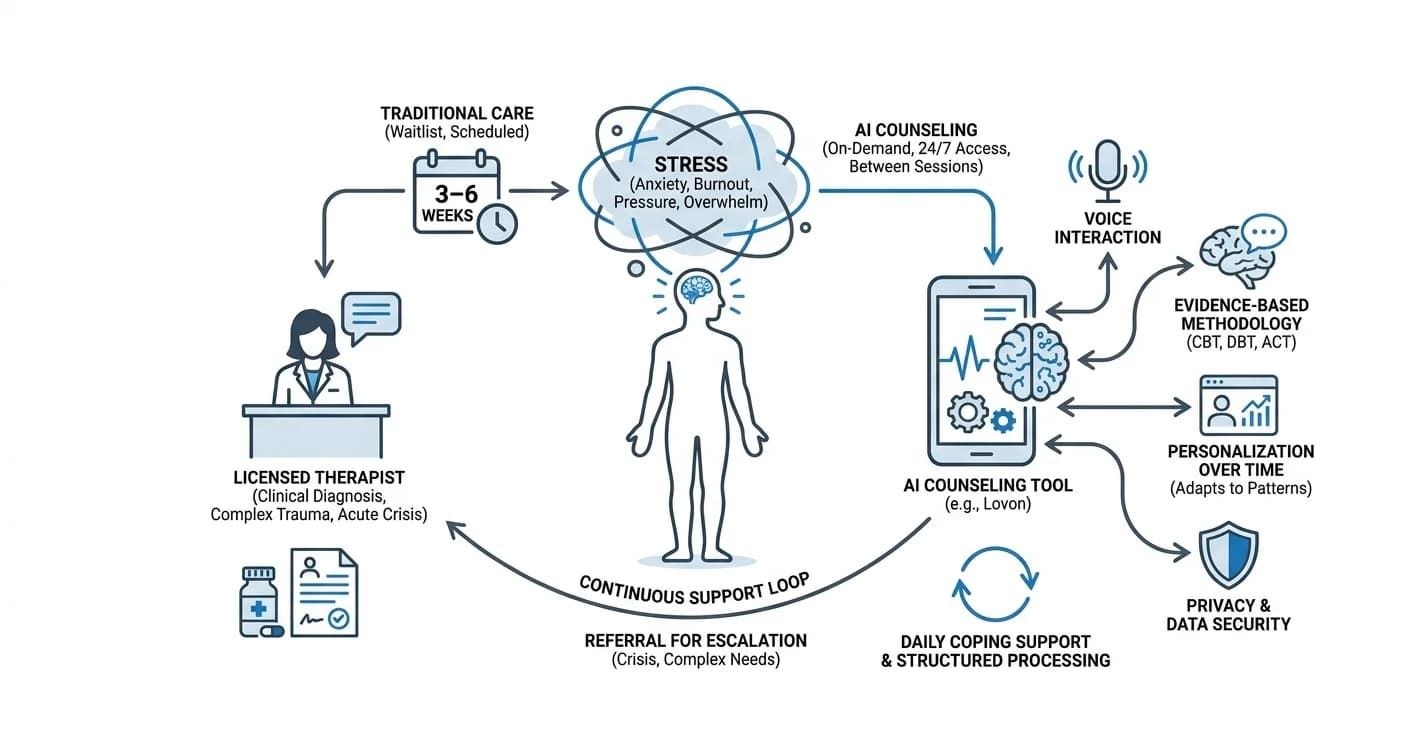
Brand discovery also helps you evaluate what the app is actually designed to do. Some products focus on journaling prompts and self-reflection, while others emphasize interactive check-ins or conversation-style support. Looking at the brand’s stated mission and how they describe their tools can clarify whether the experience matches your needs. If you want emotional guidance you can return to daily, you should prioritize a brand that communicates its methods in plain language.
What to look for in an AI therapy experience that supports growth
An effective AI therapy app should guide you through structured reflection rather than leaving you with generic advice. Look for tools that encourage users to name feelings, identify patterns, and connect events to emotional responses. Prompts that self esteem app ask about triggers, body sensations, and thought loops can help you understand your inner experience with less guesswork. The goal is not perfect answers, but clearer awareness that supports healthier choices.
You’ll also want features that work across real life scenarios, not only one type of moment. For example, relationship concerns may require tools for communication, boundaries, and empathy, while everyday stress may call for quick grounding and coping routines. When an app can adapt its guidance to different contexts, it feels more like a companion than a one-size script.
Using emotional guidance tools for reflection and better habits
Many people benefit most when they treat AI support as a consistent practice, not an emergency fix. A good workflow might start with a short check-in, followed by a reflective prompt that helps you track what you’re feeling and why. Over time, you can use the insights you gather to adjust routines, reduce avoidance, and strengthen coping habits. Even small entries can make it easier to spot recurring stressors and respond earlier.
To make reflection actionable, choose tools that encourage next steps. For instance, after exploring a difficult interaction, the app can help you write a plan for how to talk differently or what boundary to set. For self esteem development, it can support reframing beliefs with kinder, more realistic statements and highlight strengths you may overlook. When the guidance turns into habits you can practice, your progress becomes more measurable and less dependent on mood.
Conclusion
Instead of chasing novelty, look for a brand that clearly explains how it helps you reflect, manage challenges, and build healthier routines. That clarity can reduce hesitation and make the app feel safer to use over time. Lovon Inc offers accessible emotional guidance designed for personal reflection, relationship concerns, and everyday mental wellness through practical support tools at lovon.app. As you evaluate options, prioritize transparency in the brand approach and consistency in the user experience. If the app helps you articulate feelings, explore patterns, and choose small next steps, it’s likely to support long-term growth. Trust your fit: the “best” choice is the one that you can return to and use comfortably when emotions run high or when you want steady progress. Lovon Inc is built to help users better understand emotions and take meaningful steps toward healthier habits.