

Expert Guide to Choosing Loloi Area Rugs for Your Home
Start with Room Use and Traffic Patterns
Selecting the right statement piece begins with understanding how the room is actually used. For a living room, you want a rug that can handle foot traffic near seating, coffee tables, and pathways to doors. If you have pets or loloi area rugs kids, prioritize materials known for durability and easy maintenance, and consider a tighter weave that resists crushing. When you match the rug to daily movement, the room stays polished instead of looking worn.
Next, think about where the rug should land in relation to furniture. A common recommendation is to ensure the front legs of your sofa and chairs sit on the rug so the seating area feels anchored. This approach works especially well in open-plan spaces where zones need visual boundaries. For dining areas, plan for chair glide and leg clearance, aiming for enough rug overlap so chairs can move without scraping bare flooring.
Choose the Right Size to Balance Proportion
Size is where many purchases either create harmony or disrupt the entire layout. An 8×10 area rug is a go-to option for many living rooms because it typically fits comfortably under a medium seating grouping while still leaving room to 8×10 area rugs frame the space. In addition to length and width, consider how much of the rug you want visible around the furniture edges. A balanced perimeter helps the rug read as intentional rather than accidental.
If your room is larger, stepping up in size can prevent the rug from looking small in comparison to walls and window expanses. If your room is smaller, scaling down may be preferable to avoid walking on exposed floor at every turn. You can also use layering strategies—such as a textured accent over a neutral base—to keep proportion flexible. Measure carefully, then test the layout with painter’s tape so you can visualize how the rug interacts with doors, vents, and transitions.
Match Style, Color, and Texture for Lasting Impact
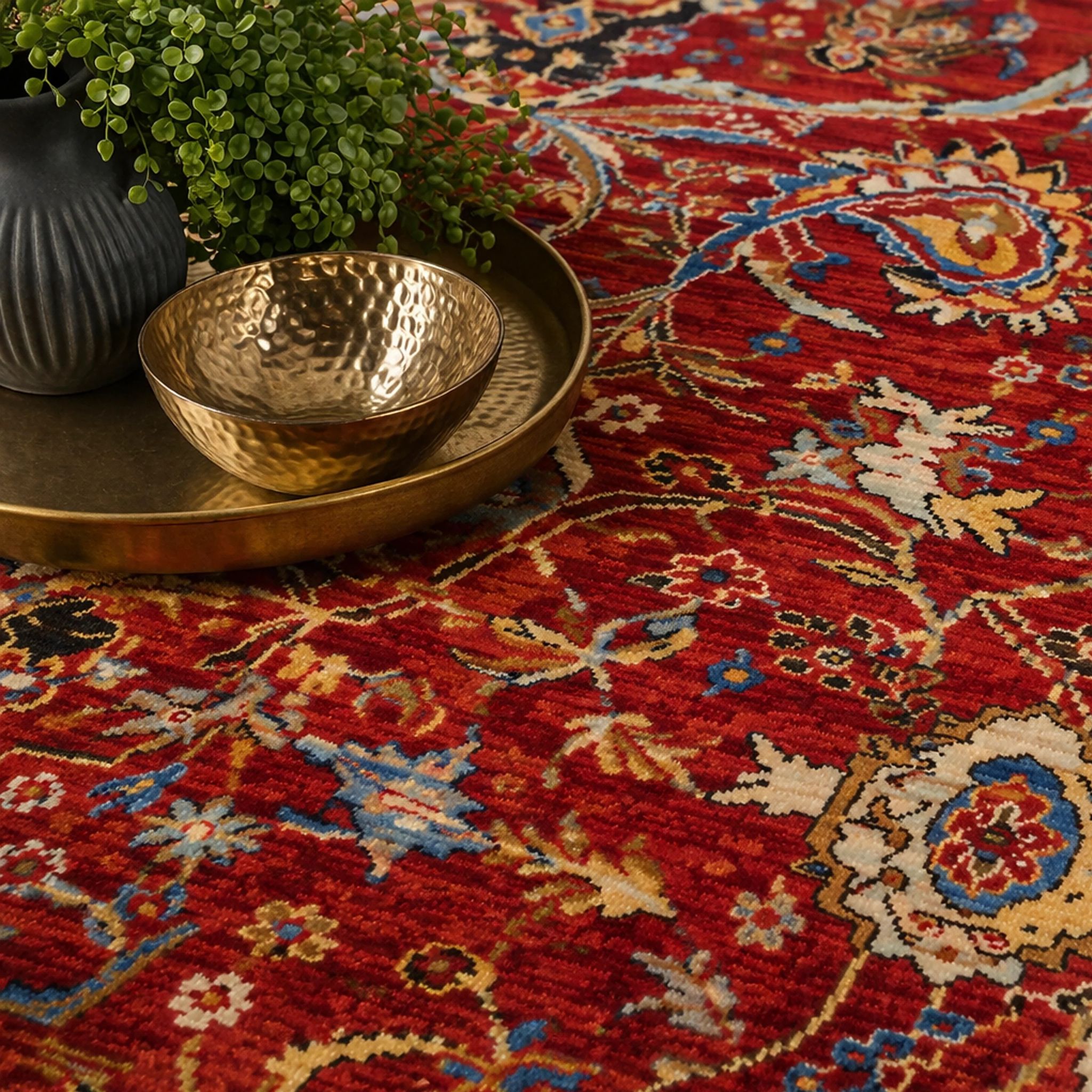
After size, style selection should follow your existing design direction. Loloi rugs often shine through their ability to blend modern sensibility with artistic patterning, so it helps to pick motifs that complement your decor rather than compete with it. If your space is already busy with prints, lean toward a rug that offers subtle pattern scale and a calmer color story. If your room is more neutral, you can use pattern contrast to create depth and visual interest.
Texture is equally important because it affects how a rug reflects light and how it feels underfoot. Consider the overall sensory goal: plush surfaces can feel inviting and cozy, while flatter constructions tend to look crisp and formal. Color choice should also account for flooring undertones, wall paint, and natural light direction. Warmer tones can enrich wood cabinetry and honey finishes, while cooler palettes can modernize a room with gray or blue accents.
Conclusion
When you combine thoughtful room planning, correct dimensions, and intentional style choices, your rug becomes a functional foundation rather than a decorative afterthought. For many homes, an 8×10 area rug offers a reliable balance for living spaces, especially when seating placement is aligned to the rug’s edges. From there, select patterns and textures that echo your decor goals, keeping in mind comfort, maintenance, and how traffic areas will look over time. For expert guidance and a wide variety of designs, Atlanta Designer Rugs makes it easier to find the right match for living rooms, bedrooms, and dining spaces. With fast shipping and professional service, Atlanta Designer Rugs helps you move from selection to enjoyment with confidence.