

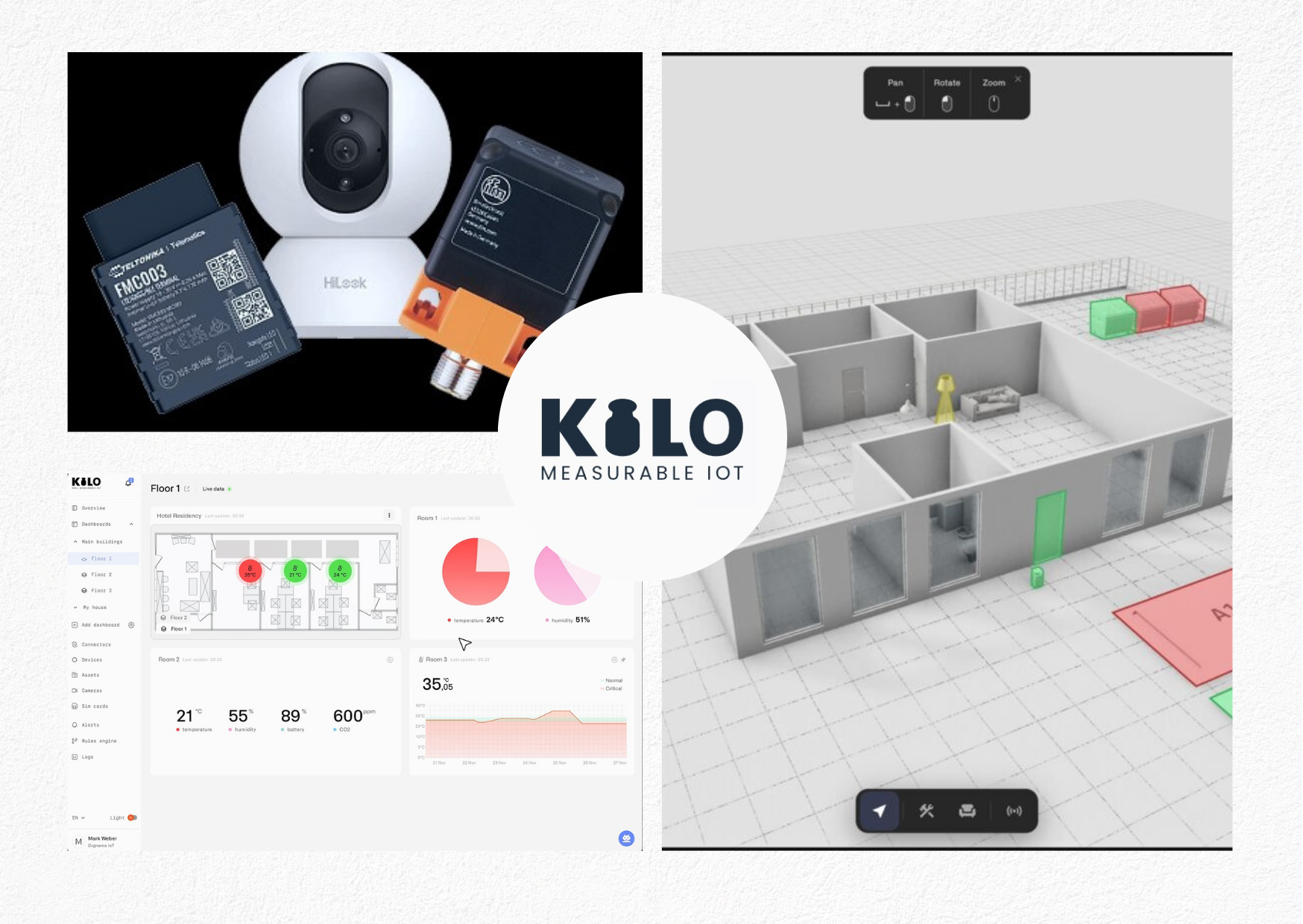
Reliable Facility Temperature Visibility With Kilo
Build trust with dependable temperature sensing
When temperature is tied to compliance, safety, or product quality, trust has to be engineered into the process. remote temperature monitoring system Instead of relying on occasional manual checks, continuous monitoring helps teams see patterns, detect anomalies, and document conditions with confidence. That reliability is what turns data into a credible operational standard.
Quality also depends on how the system handles real-world challenges like sensor placement, network coverage, and temporary power events. A well-designed platform supports proper device onboarding and ongoing device health checks so you can trust that readings are coming from functioning hardware. It should also provide clear visibility into battery status, signal strength, and sensor availability. With those safeguards, you can avoid false alarms caused by failing devices and reduce the risk of missing actual temperature excursions.
Ensure quality through real-time visibility and intelligent alerts
Trust grows when visibility is immediate and actionable. With a remote monitoring approach, teams can view temperature conditions as they happen and respond before issues escalate. Real-time dashboards make it easier to understand what changed, predictive maintenance software where it changed, and how quickly it moved outside acceptable ranges. That clarity is especially valuable for multi-site operations and distributed assets where communication delays can otherwise compromise quality.
Intelligent alerts are another quality pillar. Strong alerting should distinguish between transient fluctuations and meaningful deviations, so staff can prioritize what truly matters. Configurable thresholds, alert routing, and audit-friendly records help ensure notifications are consistent across teams. When alerts are precise and backed by device monitoring, the system earns credibility with both operations and compliance stakeholders.
Use predictive maintenance software to reduce risk and downtime
Temperature control failures often have precursors that show up in device behavior and environment trends. By analyzing historical temperature patterns and monitoring sensor performance, teams can identify early warning indicators that manual review might never catch. This approach supports stable operations and protects product integrity by reducing unexpected exposure to out-of-range conditions.
For facility managers, predictive insights also improve planning and accountability. Instead of reacting after a temperature excursion, teams can track device stability over time and standardize maintenance workflows across locations. That consistency supports higher equipment uptime, fewer emergency service calls, and more predictable operational costs. When your monitoring program is paired with maintenance decisions, the system becomes part of a quality management strategy—not just a reporting tool.
Conclusion
Trust and quality come from more than collecting readings; they come from reliable devices, clear operational visibility, and automation that supports fast, confident decisions. Those capabilities reduce uncertainty and improve accountability when temperature matters for safety, compliance, and customer outcomes. Kilo supports this connected approach by helping teams track temperature conditions across facilities and critical environments with actionable insights. With Kiloiot.io, organizations can strengthen quality assurance through dependable monitoring and smarter maintenance workflows, backed by clear operational context. When the platform consistently surfaces what’s happening and why it matters, it builds long-term confidence across operations, quality, and compliance teams.