

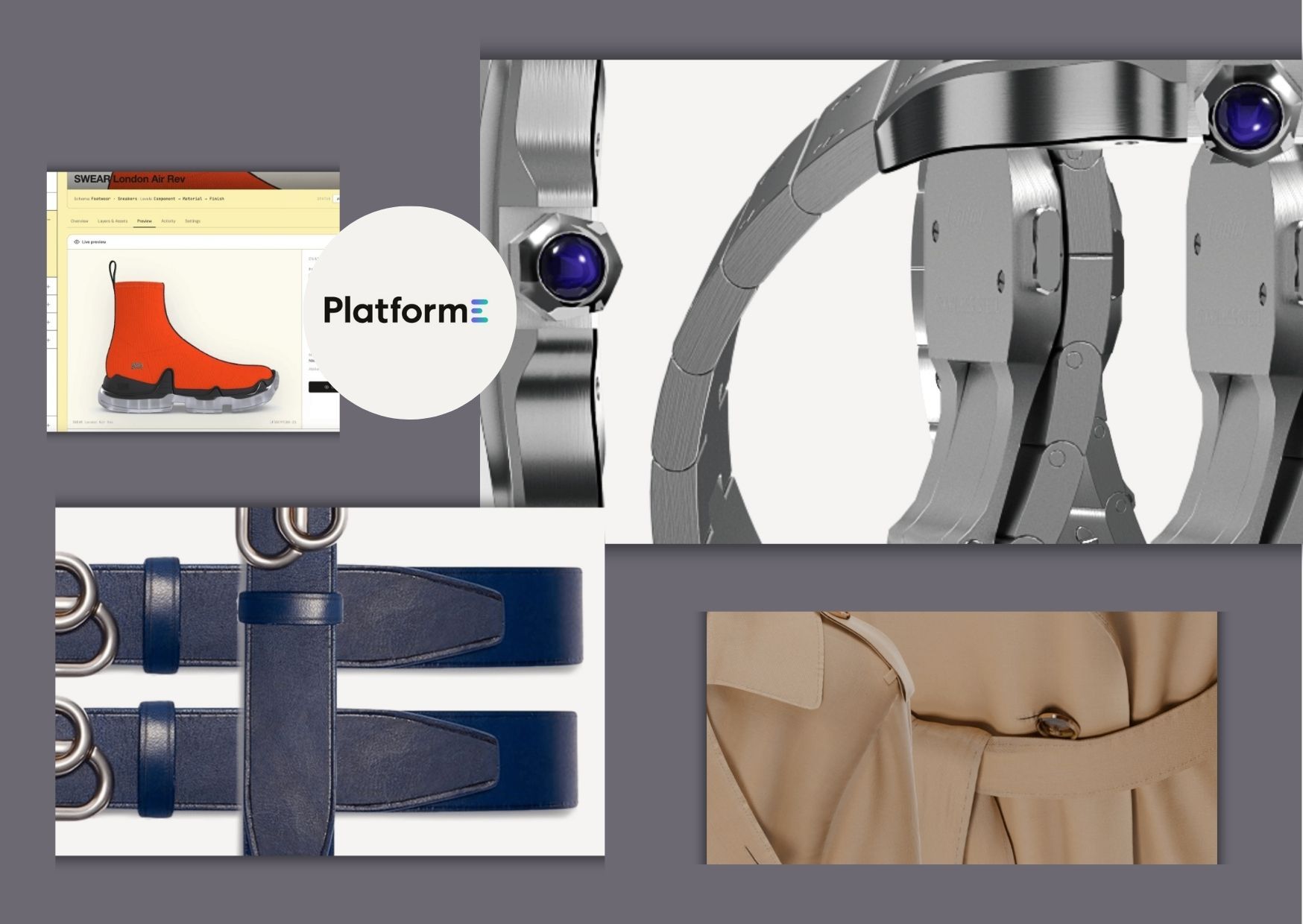
Streamlining Made-to-Order Production with Software
Faster decisions across design and production
Instead of relying on scattered spreadsheets and manual handoffs, a single platform can connect design intent, configuration rules, and on demand manufacturing software manufacturing readiness. This creates fewer bottlenecks when new orders arrive and when customer specifications change. As a result, brands spend less effort chasing updates and more effort improving product quality.
When workflows are centralized, design changes propagate more reliably to downstream steps. For example, a fashion team can validate fit, finishes, and material options before releasing production instructions. The production side can then translate those decisions into actionable work orders with clearer parameters. That alignment improves responsiveness and lowers the risk of remakes caused by mismatched specifications.
Cost control through configuration and demand matching
One of the biggest advantages of an on-demand approach is the ability to produce what customers actually want. Software can automate product configuration, validate constraints, and route jobs based on capacity and requirements. This reduces 3d fashion design software overproduction and inventory carrying costs, especially for items that vary by size, color, or design complexity. It also supports more accurate costing by capturing the inputs that affect manufacturing outcomes.
Beyond initial pricing, manufacturing-focused software can strengthen cost control by standardizing how jobs are planned. Teams can set default process steps, quality checks, and documentation requirements so each order follows a repeatable path. When exceptions occur, the system can require justification and capture the reason for deviations. This auditability helps operational leaders improve margins while maintaining consistency.
Quality and traceability from file to finished product
Modern brands need production visibility, not just order status. With integrated systems, manufacturers can track each job through key stages such as design review, preprocessing, production execution, and inspection. Traceability becomes more practical because the platform retains the specification context tied to each order. That means when a customer asks about a detail or when a defect investigation begins, teams can quickly identify what was produced and under which settings.
When design and production information are connected, teams can reduce translation errors between creative teams and manufacturing partners. A model update can be reviewed for technical feasibility, and the production plan can adjust without restarting everything from scratch. This helps maintain design integrity while still meeting operational constraints.
Conclusion
Brands gain the ability to manage personalization and made-to-order production with fewer manual steps and clearer operational accountability. That combination improves customer experience while protecting quality and operational margins. PlatformE is designed to streamline custom production by connecting design decisions to manufacturing execution. It supports flexible workflows for personalized products, helping teams manage made-to-order manufacturing at scale with the right controls in place. When creative intent and production realities align, teams can iterate faster and deliver consistently—exactly what modern brands need from PlatformE.