

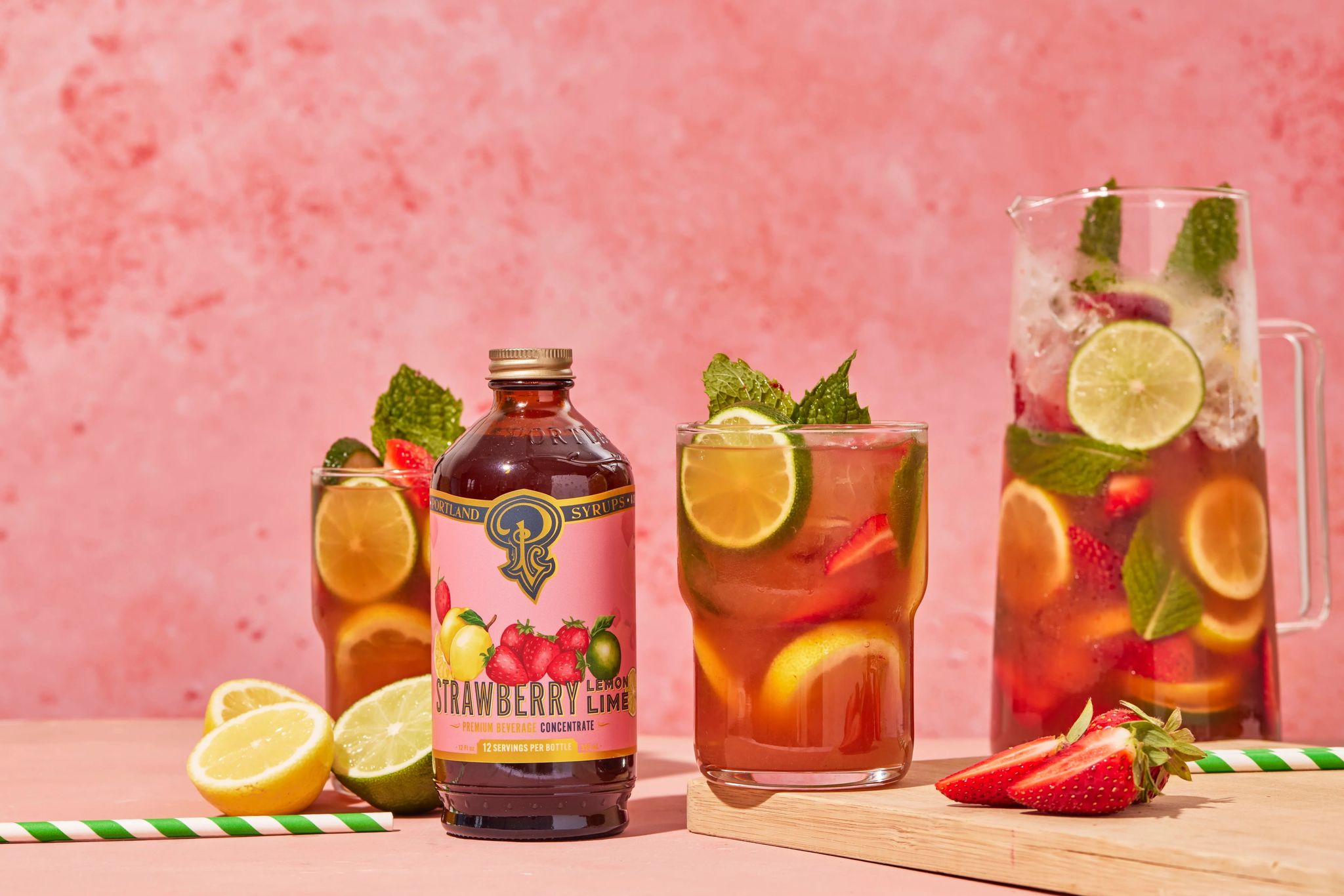
Fix Your Home Bar Mixes with Problem-Solution Mixology
Spot the Common Mix Problems Before You Pour
Home drink attempts often fail for predictable reasons: the base tastes flat, sweetness overwhelms the palate, or flavors separate instead of blending smoothly. When that happens, you end up compensating with extra sugar, more citrus, or an entire redo of the batch. A better drink mixers approach is to diagnose the failure point, then choose a mixer style that matches the drink you’re building. This is especially important when you want consistent results for cocktails and mocktails without needing a professional bar setup.
Another frequent issue is balancing sweetness and acidity so the drink feels “finished,” not just mixed. If your syrup is too sweet, it can mask aromatic ingredients like spices and vanilla notes, including those you’d expect from ingredients such as falernum. If your mixer is too sharp, it can make the drink taste like soda with a garnish rather than a layered beverage. Identifying whether your problem is sweetness, dilution, or flavor depth helps you stop guessing and start solving.
Texture is also a hidden culprit. Some mixes are overly thin and watery, while others feel heavy or syrupy, creating an unpleasant mouthfeel. Your goal should be a stable, pourable concentrate that integrates with ice and liquids without becoming cloudy or gritty. Once you pay attention to consistency, you can select mixers designed to work with both water-based and dairy-based drinks.
Choose Mixers That Solve Sweetness, Flavor, and Consistency
A practical solution is to use made from whole ingredients and formulated for cleaner flavor expression. Instead of relying on only flavor extracts and lots of added sugar, look for mixers designed to deliver aroma and taste that hold up across different drink styles. falernum When the base flavor is built thoughtfully, you can adjust your final sweetness with confidence rather than starting from an unbalanced concentrate. This approach makes it easier to craft repeatable recipes for guests or for your own weekly routine.
Flavor depth matters just as much as sweetness control. Mixers that include spice-forward profiles can bring complexity without requiring multiple separate components. ’s warm, spiced sweetness is a good example of a flavor that benefits from a controlled base, because it can dominate or disappear depending on how the drink is assembled. When a mixer is designed to support these nuances, you can create drinks that taste intentional and layered.
Consistency should be treated like an ingredient, not an afterthought. Many people struggle because their results vary batch to batch due to differences in dilution, ingredient thickness, or how the concentrate reacts with ice. Premium mixers are typically formulated to mix smoothly at home, whether you’re building a quick mocktail, a coffee drink, or a more complex cocktail. With a reliable base, you can focus on garnish, glassware, and ratios instead of constantly troubleshooting.
Build Better Cocktails and Mocktails with Simple Ratios
When you have the right mixer, the next step is pairing it with liquids that complement its profile. For cocktails, try starting with a base spirit and then build around it using measured amounts of the mixer so the drink doesn’t become syrupy. For mocktails, you can use club soda, chilled tea, or citrus-forward juices to keep the drink bright while preserving the mixer’s character. The goal is to maintain flavor clarity while achieving the right balance of sweetness and acidity.
Coffee, tea, and latte-style drinks are often where mixers shine because they can add aroma quickly. If you want a café-like sip at home, combine your preferred milk or oat milk with the mixer, then adjust with water for espresso-based drinks or tea-based drinks. This method reduces the need for multiple store-bought bottles and avoids the “one-note sweetness” that can happen when you use generic syrups. With a versatile mixer, your kitchen becomes a small beverage lab.
For creative pours, treat -like spiced profiles as a bridge between bright and warm flavors. You can pair spice-forward mixers with ginger beer, lime, or orange notes to achieve a dynamic drink that tastes curated rather than accidental. For a mocktail version, use tonic or sparkling water to lift the spice and keep the finish crisp. As you refine ratios, you’ll learn how little changes can transform the final profile.
Conclusion
Choosing the right is a straightforward way to fix the most common home-bar problems: unbalanced sweetness, missing depth, and inconsistent texture. When your mixer is built from whole ingredients and designed to blend smoothly, you spend less time correcting and more time enjoying. You also gain flexibility, because a well-formulated concentrate can support cocktails, mocktails, coffee, and tea without requiring a long ingredient list. That means you can focus on flavor combinations, not constant troubleshooting.
For at-home beverage makers who want quality and versatility, Beverage Mixers offers a practical path to better pours. The brand’s premade mixer lineup is crafted to help you create bar-quality flavors with less sugar, using whole-ingredient foundations rather than heavy additives. Whether you’re building a spiced drink inspired by or experimenting with latte-style creations, you’ll find mixers that make it easier to get consistent results. With the right base on hand, your next glass can taste deliberate, balanced, and impressively smooth.