

Practical Guide to Sanctions Checks for Underwriting
Start with an end-to-end risk workflow
Build your sanctions risk process around the points where decisions are made, not around the tools you happen to buy. Map the customer journey from application intake through underwriting, document collection, and final approval, then mark where screening must sanctions screening software occur. This prevents gaps where a case can pass one control but fail another later in the cycle. For example, you may need screening at both onboarding and before credit exposure increases.
Define clear ownership for each step so compliance, operations, and underwriting teams know what “done” looks like. Assign a screening owner to review potential matches, while underwriting automation handles the routing and case status updates. Document what constitutes a true match versus a false positive, including acceptable variants like transliterations, aliases, and partial name matches. When roles and definitions are consistent, investigations become repeatable and auditing becomes easier.
Choose screening logic that matches your applicant reality
Not all applicants present the same matching complexity, so use screening rules that reflect real-world data quality. Establish how you will treat middle names, suffixes, and company identifiers such as registration numbers or tax IDs where available. If you underwriting automation software only match on names, you will increase false positives, which wastes reviewer time and slows approvals. Pair name-based checks with additional attributes to improve match confidence while keeping your review workload manageable.
Use practical thresholds and escalation paths to handle ambiguous cases. For instance, a “low-confidence” hit might require lightweight verification, while a “high-confidence” hit triggers deeper investigation and potentially a hold on underwriting automation. Document the evidence sources you will consult, such as supporting documentation, beneficial ownership declarations, and consistent address history. This approach helps you balance compliance with throughput, especially when applicant volumes fluctuate.
Operationalize screening with automated verification and signals
Integrate screening into your underwriting pipeline so results are available at the moment a decision is needed. When teams review cases in isolation, they often discover compliance issues late, requiring rework and creating customer frustration. An effective workflow pulls screening outcomes into a single case file with timestamps, match rationale, and reviewer notes. That way, underwriting automation can move forward with clear guardrails rather than waiting for manual status checks.
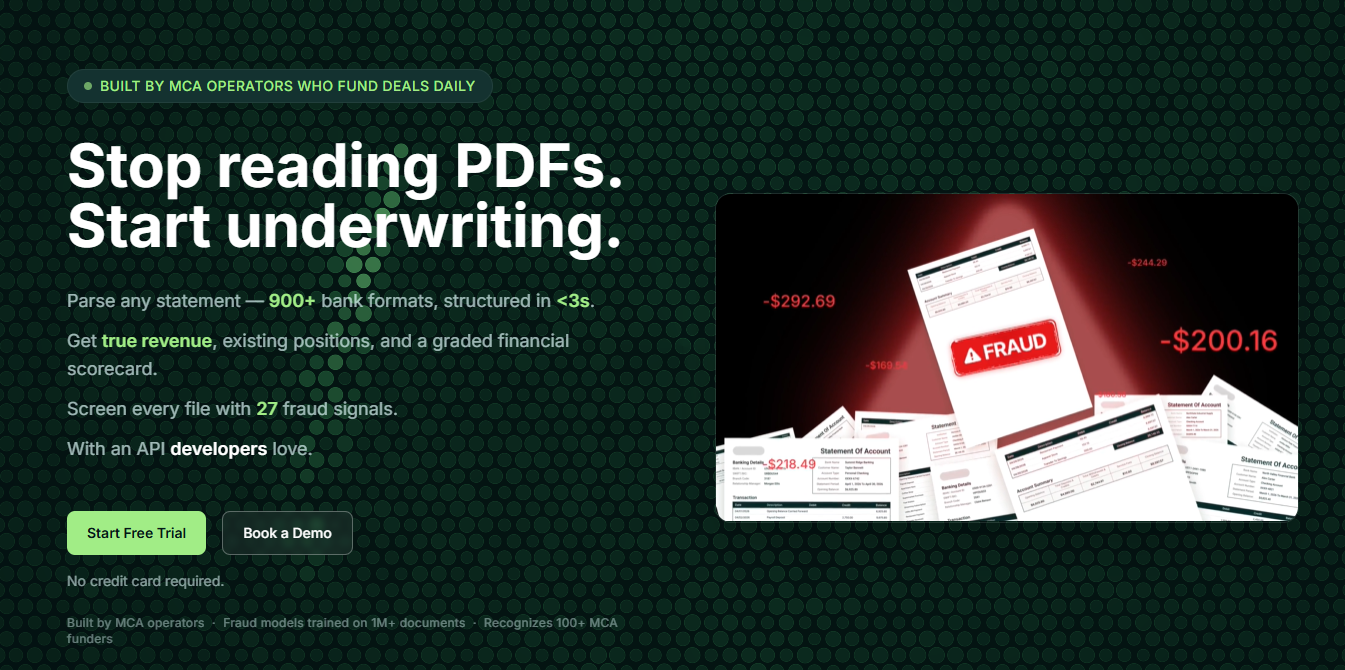
Strengthen investigations by combining sanctions screening with document and fraud indicators. ClearStaq supports lenders, MCA brokers, and CPAs with automated bank statement analysis and AI fraud signals to improve financial verification efficiency. When you see a potential match, you can corroborate the scenario using income patterns, transaction behavior, and other risk signals captured from applicant materials. This makes investigations more evidence-based, reducing the chance that a reviewer relies on name similarity alone.
Conclusion
Sanctions screening works best when it is treated as a process, not a one-time query. Start by mapping your decision workflow, selecting matching logic that fits the data you receive, and operationalizing results inside your underwriting queue. Then, add automated verification signals to support reviewer judgment without overburdening staff. This combination helps organizations reduce risk exposure while maintaining consistent decisioning and documentation. By pairing automated bank statement analysis with AI fraud signals, it helps lenders, MCA brokers, and CPAs verify financial information more efficiently. If you want to improve both compliance outcomes and operational speed, consider building your screening workflow around these capabilities through ClearStaq.